
SA100 Form: Complete Your Self Assessment Tax Return
Leave your details and our team will get back to you shortly.
Filing a Self Assessment return is not simply about entering figures into HMRC’s online system. The SA100 tax form is the main return used to report income, declare allowances and reliefs, calculate tax liabilities and confirm whether additional tax is due or a repayment may be available.
For straightforward PAYE-only situations, the process may feel relatively simple. But many SA100 returns become more complicated when someone has multiple income sources, rental income, dividends, CIS income, foreign income, self-employment profits, crypto gains, student loan repayments or previous filing issues.
At Audit Consulting Group, we help individuals, freelancers, contractors, landlords, directors and business owners complete the SA100 form accurately while reviewing the wider tax position behind the return itself.
In practice, many HMRC issues begin long before submission. We regularly see returns delayed because records are incomplete, UTR numbers arrive late, CIS statements are missing, supplementary pages are forgotten or previous filings contain inconsistencies that later require correction.
What Is the SA100 Form?
The SA100 form, commonly referred to as the main Self Assessment tax return, is used by HMRC to collect information about an individual’s income, reliefs, allowances and tax position for a specific tax year.
Although most returns are now submitted digitally, many people still refer to it as the SA100 tax return form or HMRC SA100 form. It acts as the core return used alongside supplementary pages where additional income or reporting obligations apply.
You may need the self assessment SA100 return if you are self-employed, receive rental income, take dividends from a company, have foreign income, dispose of assets that create capital gains or receive untaxed income that HMRC does not fully collect through PAYE.
The return affects more than Income Tax alone. Depending on your circumstances, it may also affect National Insurance, payments on account, student loan repayments, pension relief, High Income Child Benefit Charge calculations and HMRC compliance records going forward.
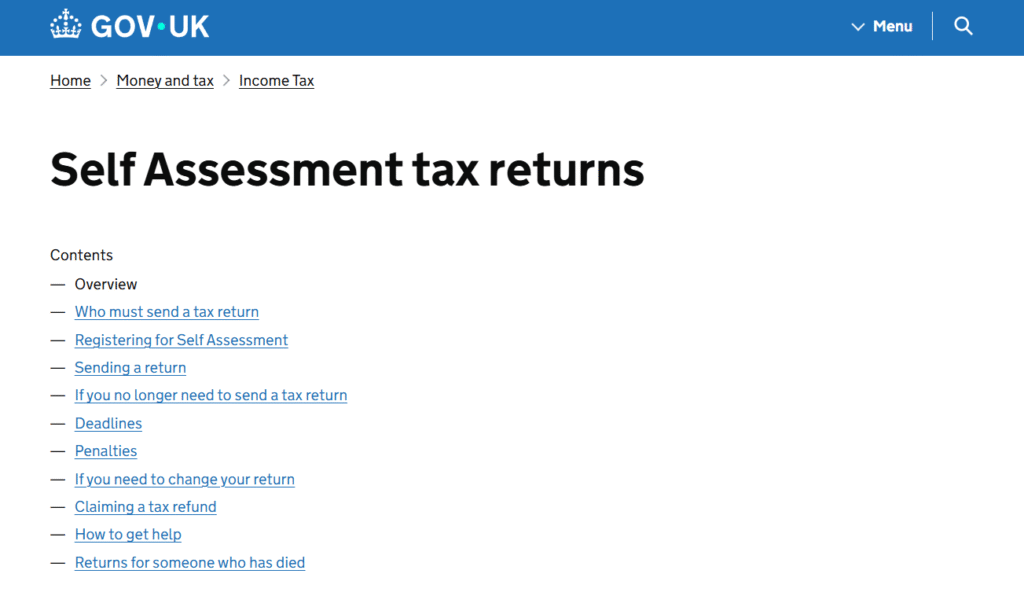
Official HMRC guidance: Self Assessment tax return
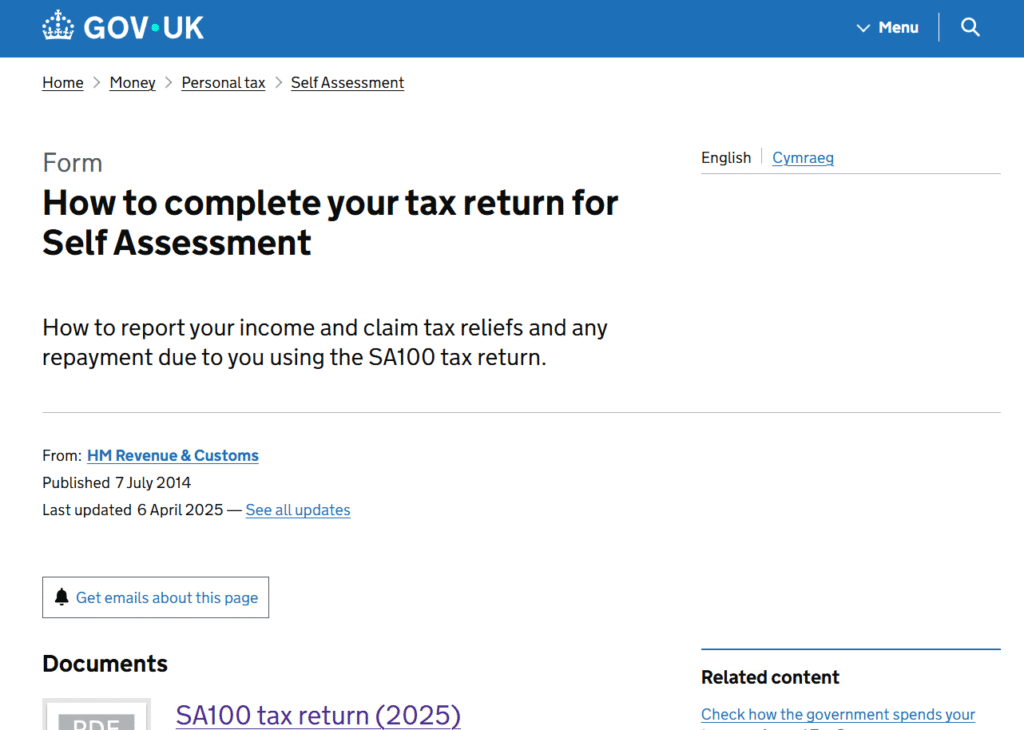
Download the SA100 form current for 2025
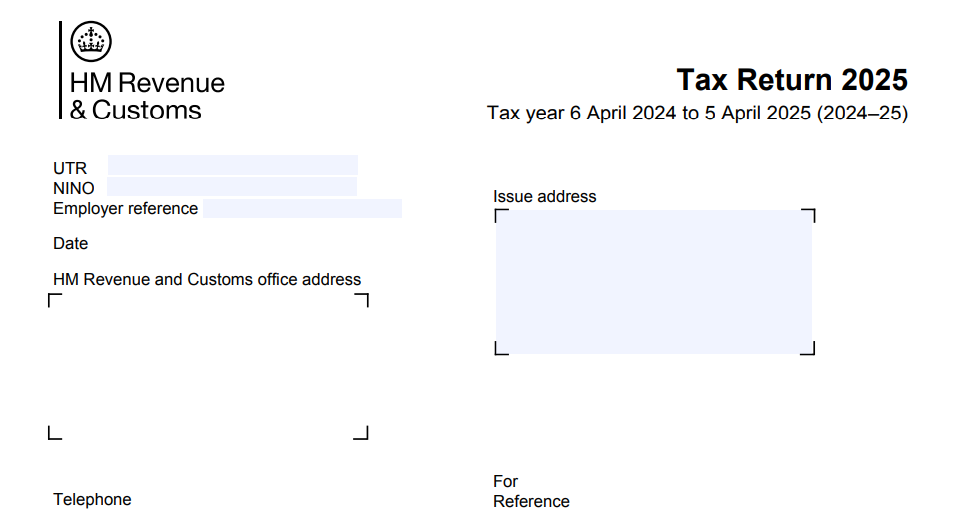
Download form SA100 from the HMRC website
Who Usually Needs to File an SA100 Tax Return?
Not everyone needs to complete a Self Assessment return. However, if HMRC has issued a notice to file, or if you receive untaxed or partially taxed income, you may still need to submit the SA100 tax form.
Common situations include self-employment, freelance work, company dividends, rental income, partnership income, foreign income, capital gains, CIS subcontractor income or side income outside normal employment.
One of the biggest misconceptions is that PAYE income always removes the need for Self Assessment. That is not always correct. Someone may still need to file if they receive dividends, property income, foreign income or other taxable income outside PAYE.
We also regularly see confusion around side income. Small freelance projects, online sales, occasional consulting work or secondary income streams are often overlooked even though they may still create reporting obligations.
How the SA100 HMRC Form Actually Works
The HMRC SA100 form contains the main personal tax return sections, but many taxpayers also need supplementary pages depending on their financial circumstances.
The main return normally includes personal details, UTR number, employment income, pensions, dividends, savings income, student loan information and tax reliefs.
Additional sections may be required for self-employment, UK property income, foreign income, capital gains, partnerships or residence-related reporting.
In practice, this is where many filing problems begin. We often see taxpayers complete the main SA100 return correctly while forgetting the additional pages needed to report dividends, rental income or overseas earnings.
HMRC’s online system may guide users through some sections automatically, but it still relies heavily on the information entered being complete and accurate.
How to Correctly Fill in the SA100 HMRC Form
Completing the self assessment tax return form SA100 properly starts with gathering reliable records before the return is even opened.
You will usually need documents such as P60s, P45s, P11Ds, dividend vouchers, CIS statements, pension contribution records, bank interest statements, rental income records, invoices, expense receipts and previous HMRC correspondence.
The next stage is identifying which parts of the return apply to your circumstances. A landlord may require property pages. A self-employed person may require self-employment sections. Someone with foreign income may require overseas reporting pages. Directors may need to declare dividends properly.
The figures entered into the return should make sense alongside the underlying records. If income suddenly changes significantly, expenses increase unusually or supplementary pages are missing, HMRC may later query the filing.
We frequently see issues caused by missing CIS statements, duplicated expense claims, incorrect dividend reporting, outdated accountant figures or records that do not match HMRC data already held through payroll systems or previous filings.
Online filing is usually faster and reduces some technical submission errors, but it does not remove the need for proper review. HMRC software calculates based on the information provided — it does not confirm whether the tax position itself is correct.
Why HMRC Sometimes Flags Self Assessment Returns
HMRC does not review every return manually, but some filings attract additional attention because certain figures or patterns appear inconsistent.
Examples include unusually high expense claims, undeclared dividend income, missing supplementary pages, sudden income reductions, repeated losses, large repayment claims or inconsistencies between payroll records and reported income.
Returns may also be queried where CIS deductions do not match contractor submissions, rental income appears incomplete or foreign income reporting conflicts with other information already held by HMRC.
In many situations, the issue is not deliberate wrongdoing. Problems often happen because records were incomplete, bookkeeping was poor or taxpayers misunderstood what needed to be declared.
Common SA100 Filing Mistakes
Many filing problems only become visible after submission when HMRC recalculates the return, issues a query or applies penalties.
Common mistakes include:
- Missing the filing deadline
- Forgetting dividend income
- Omitting side income
- Missing CIS deductions
- Incorrect rental income figures
- Claiming unsupported expenses
- Forgetting student loan information
- Entering incorrect PAYE figures
- Failing to declare foreign income
- Misunderstanding payments on account
Payments on account are one of the most misunderstood areas of Self Assessment. Many taxpayers are surprised when HMRC requests advance payments toward the following tax year, especially where profits or additional income increase unexpectedly.
Another common issue is late Self Assessment registration. We regularly see people discover they needed to file only shortly before the deadline, leaving very little time for HMRC to issue a UTR number.
What People Often Misunderstand About Self Assessment
Receiving a notice to file from HMRC usually means you are expected to submit a return even if you believe little or no tax is due.
PAYE employment does not automatically remove Self Assessment obligations. Additional income sources may still require reporting.
Dividend income is another area where mistakes happen regularly. Directors and shareholders sometimes assume company accounts automatically cover their personal tax obligations, but dividends often still need declaring on the individual return.
Many people also assume that once a return is filed, HMRC has fully approved every figure. In reality, HMRC can review or question a submitted SA100 return later if inconsistencies appear.
Real Filing Scenarios Where SA100 Becomes More Complex
Director Receiving Salary and Dividends
A company director may receive salary through PAYE while also taking dividends from the business. The salary may already be taxed, but dividend income usually still needs to be declared separately through the SA100 tax form.
Landlord with Multiple Properties
A landlord with several rental properties may need to track mortgage interest treatment, maintenance costs, allowable expenses and periods where properties were vacant. Problems often appear where personal and property expenses become mixed together.
Self-Employed Freelancer or Contractor
Freelancers and contractors often need to maintain accurate expense evidence for travel, software, professional subscriptions, equipment and subcontractor payments. Missing records can create problems later if HMRC requests supporting evidence.
CIS Subcontractor
CIS workers frequently experience issues where contractor deduction statements do not match HMRC records correctly. This can affect tax calculations and repayments.
Foreign Income or Overseas Assets
Foreign employment income, overseas pensions, foreign bank interest or overseas property income may require additional reporting and possible double taxation review.
Crypto or Capital Gains
Crypto transactions, share disposals and investment gains are increasingly common areas of confusion. Many taxpayers still assume these transactions do not need reporting unless money is withdrawn directly to a bank account.
Useful Links for the SA100 Tax Return
SA100 tax return form download
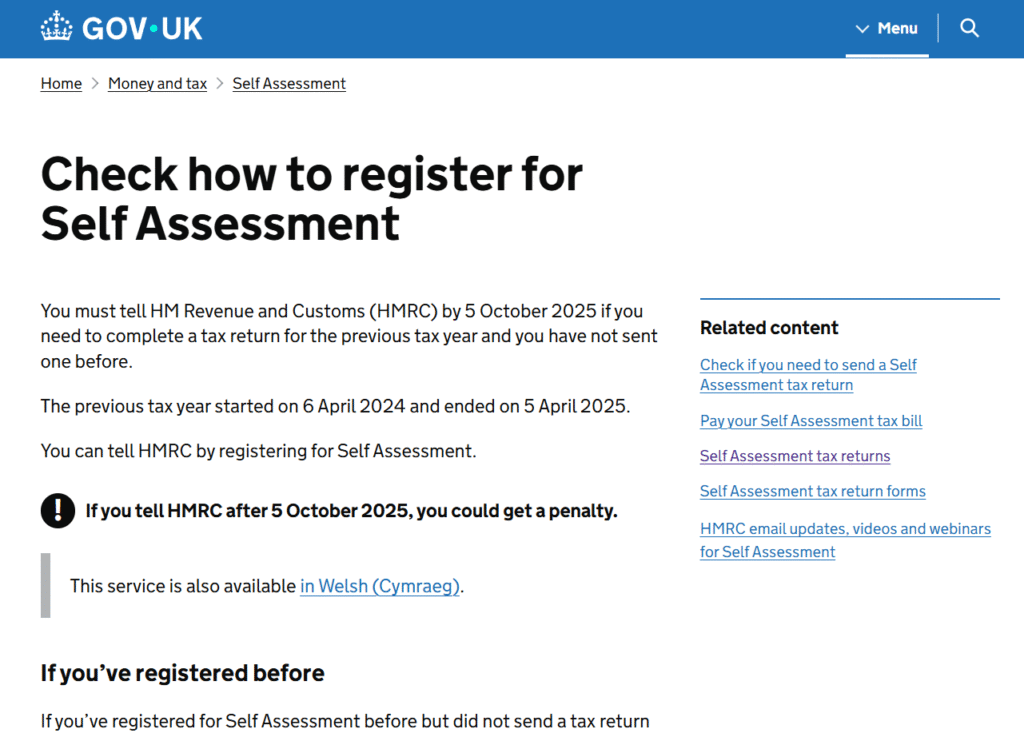
Register for self assessment
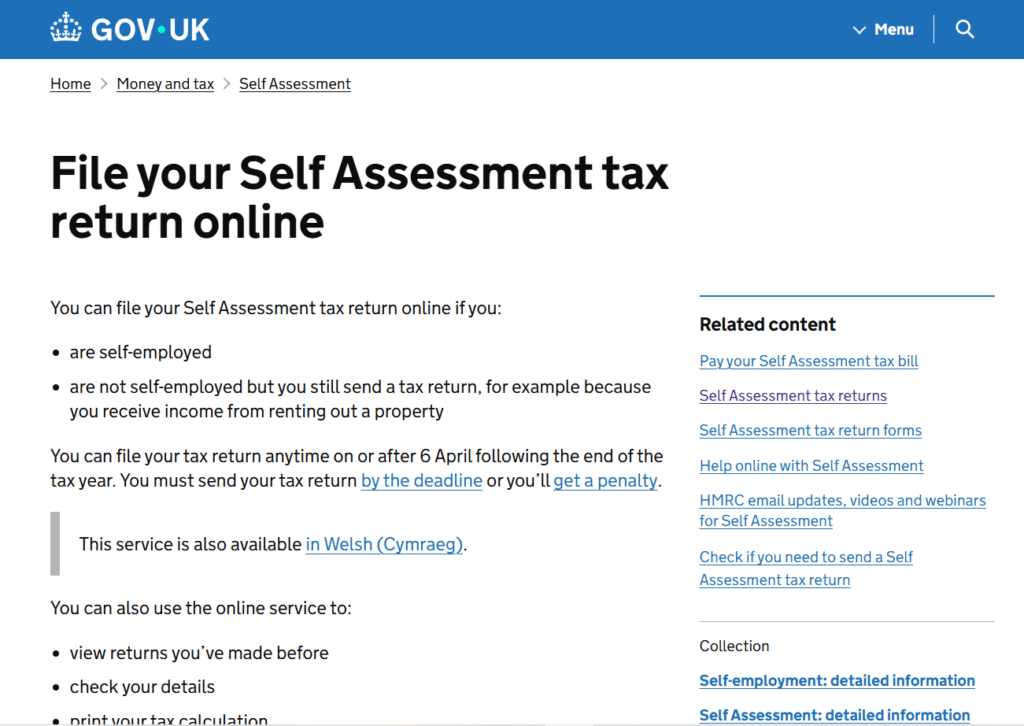
File your tax return online
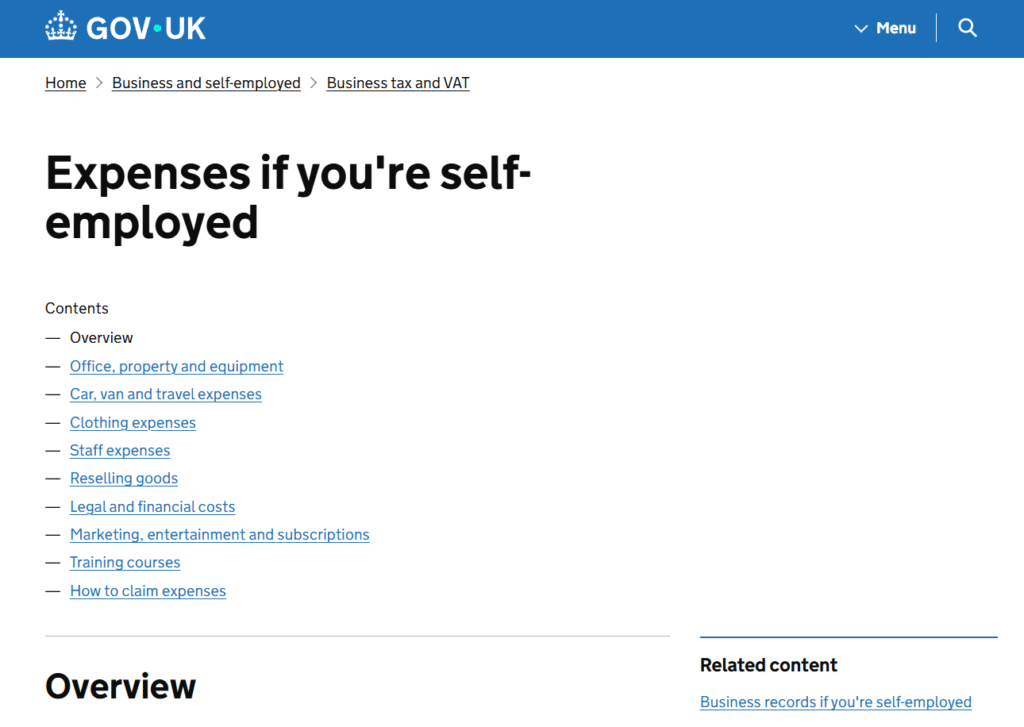
Claim expenses if you’re self-employed
What Records Should You Keep for HMRC?
The return itself is only one part of Self Assessment compliance. HMRC may still expect supporting evidence behind the figures submitted.
Depending on your circumstances, records may include invoices, receipts, bank statements, mileage logs, dividend vouchers, CIS statements, rental statements, mortgage records, pension documents, crypto transaction history and foreign income records.
Where records are incomplete or inconsistent, taxpayers sometimes discover problems months later during HMRC reviews, accountant corrections or repayment checks.
What Happens If You Miss the SA100 Deadline?
Missing the SA100 deadline can trigger penalties even if little or no tax is due.
Late filing also creates wider issues where payments on account apply, tax remains unpaid or HMRC reminders have already been issued.
If delays continue, penalties and interest can increase progressively. In some situations, HMRC may also estimate tax liabilities until proper returns are submitted.
Where there is a genuine reason for missing the deadline, penalty appeals may still be possible, although evidence usually matters.
Can You Amend an SA100 After Submission?
Yes. In many cases, a submitted SA100 return can still be amended within HMRC’s permitted time limits.
Amendments may become necessary if income was missed, expenses were incorrect, dividend income was forgotten or updated records later become available.
Where corrections increase tax due, interest may apply. Where amendments reduce tax liabilities, HMRC may issue revised calculations or repayments.
In more serious situations involving older tax years or substantial errors, the correction process may require wider disclosure or professional review.
Anonymous Client Examples
Director with Dividend Errors: A company director approached us after discovering dividend income had been omitted from a previously submitted return. The return required amendment alongside recalculation of dividend tax liabilities.
CIS Repayment Delay: A subcontractor experienced repayment delays because CIS deductions reported by contractors did not match HMRC records correctly. After reviewing the documentation and correcting the figures, the return was updated successfully.
Late Filing Recovery: A freelancer who had missed several filing deadlines required historic returns, penalty review and record reconstruction before the outstanding position could be stabilised.
FAQs – SA100 Tax Return
Who needs to complete an SA100 form?
Anyone required to file a Self Assessment return may need to complete the SA100 form, including self-employed workers, landlords, directors, people with dividends, foreign income or other untaxed income.
Do I need to file SA100 if tax is already deducted through PAYE?
Sometimes, yes. PAYE may cover employment income, but additional income sources such as dividends, rental income or side income may still require reporting.
Can I fill in the SA100 tax form online?
Yes. Most taxpayers now file online through HMRC, although paper filing may still apply in some situations.
Can HMRC investigate an SA100 return after submission?
Yes. HMRC can review or question returns after submission if inconsistencies, missing information or unusual figures appear.
What happens if I forget dividend income?
The return may need amendment. Missing dividend income can change the tax calculation and may create additional liabilities or HMRC queries later.
Do I need SA100 if I only have side income?
It depends on the amount and nature of the income, but some side income can still create Self Assessment obligations.
Can I amend an SA100 after submission?
Yes, in many cases amendments are possible within HMRC time limits.
What records should I keep for HMRC?
You should keep documents supporting the figures declared in the return, including income records, receipts, invoices, bank statements, CIS statements and evidence for expenses or reliefs claimed.
Why Choose Audit Consulting Group for Your SA100 Tax Return?
Audit Consulting Group supports individuals and business owners with Self Assessment filing, personal tax returns and more complex SA100 tax return situations.
Our role is not simply to submit forms. We review the wider tax position behind the filing, identify which income sources need reporting, check supporting records and help reduce the risk of avoidable HMRC issues later.
We regularly support clients dealing with dividends, rental income, CIS deductions, foreign income, crypto gains, self-employment, amended returns, late filings and HMRC correspondence.
For more than a decade, our team has supported UK taxpayers with Self Assessment preparation, HMRC compliance issues and complex filing situations involving multiple income streams.
If your return includes multiple income sources, foreign income, dividends, rental property, self-employment or uncertainty around what HMRC expects, it is usually worth reviewing the position properly before filing.
SA100 Tax Form Preparation & Submission Cost in the UK
Get professional support with the SA100 tax form in the UK with transparent pricing and experienced tax review.
Our service can include income review, expense checks, supplementary page review, HMRC submission support, deadline management, amended return assistance and wider Self Assessment guidance where required.
Professional review can help reduce filing errors, minimise unnecessary HMRC issues and improve confidence that the return reflects the real tax position behind the figures submitted.
Service Cost Estimation
Select the service category below to calculate the estimated cost of either accounting & tax services or forms and submissions.
Select Required Services / Forms
Select one or more services/forms to receive an accurate cost estimate. You can adjust your selection at any stage.
How would you like to engage our services?
Please select whether you require a one-off service or ongoing monthly support.
Contract Duration
Your cost estimate
Apply now and get 10% OFF
Submit your request today and receive an exclusive 10% discount on your selected service.
All prices are estimates. To receive a personalised quote, please fill out the form or contact us.
Ready to get started?
Get professional support from experienced UK accountants